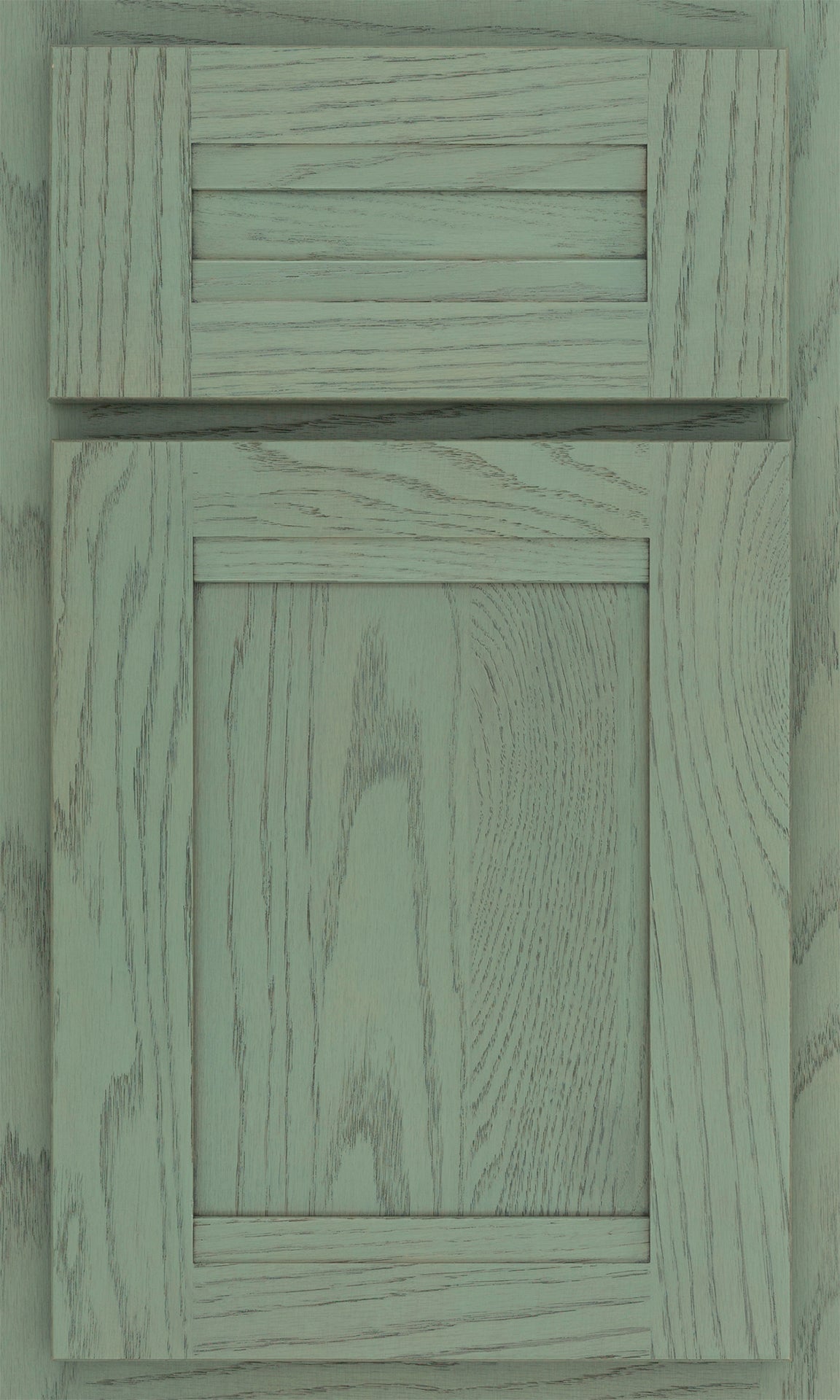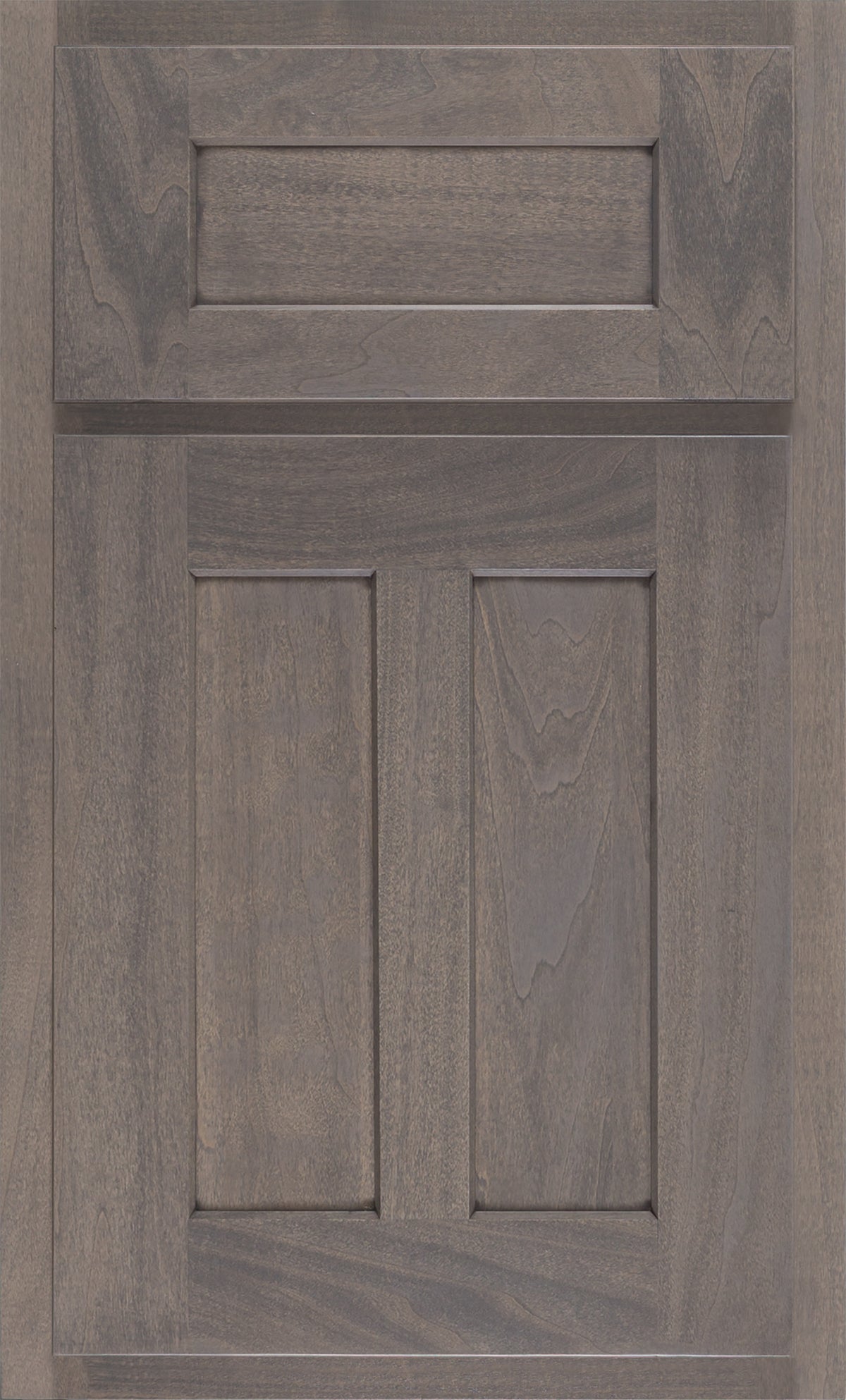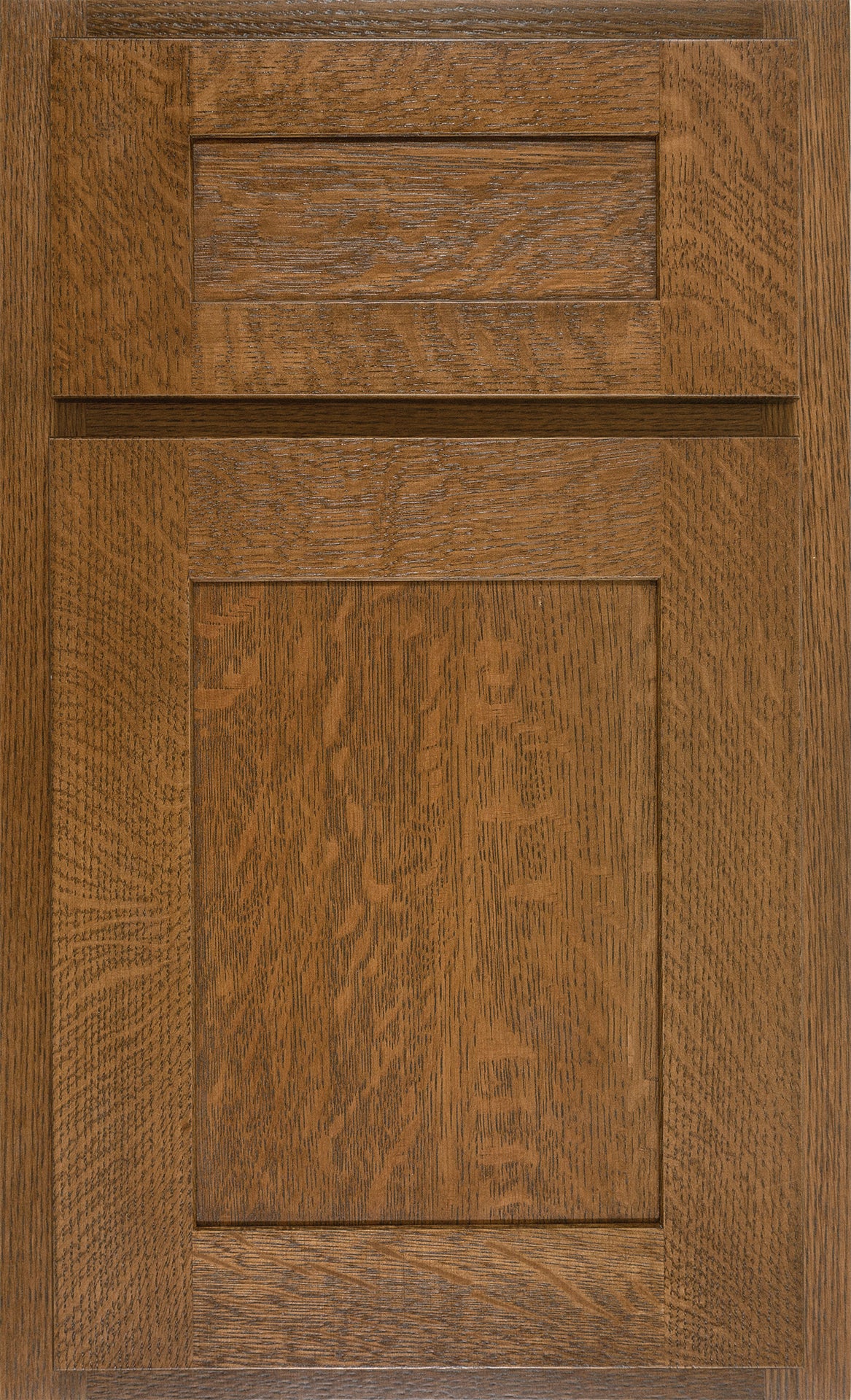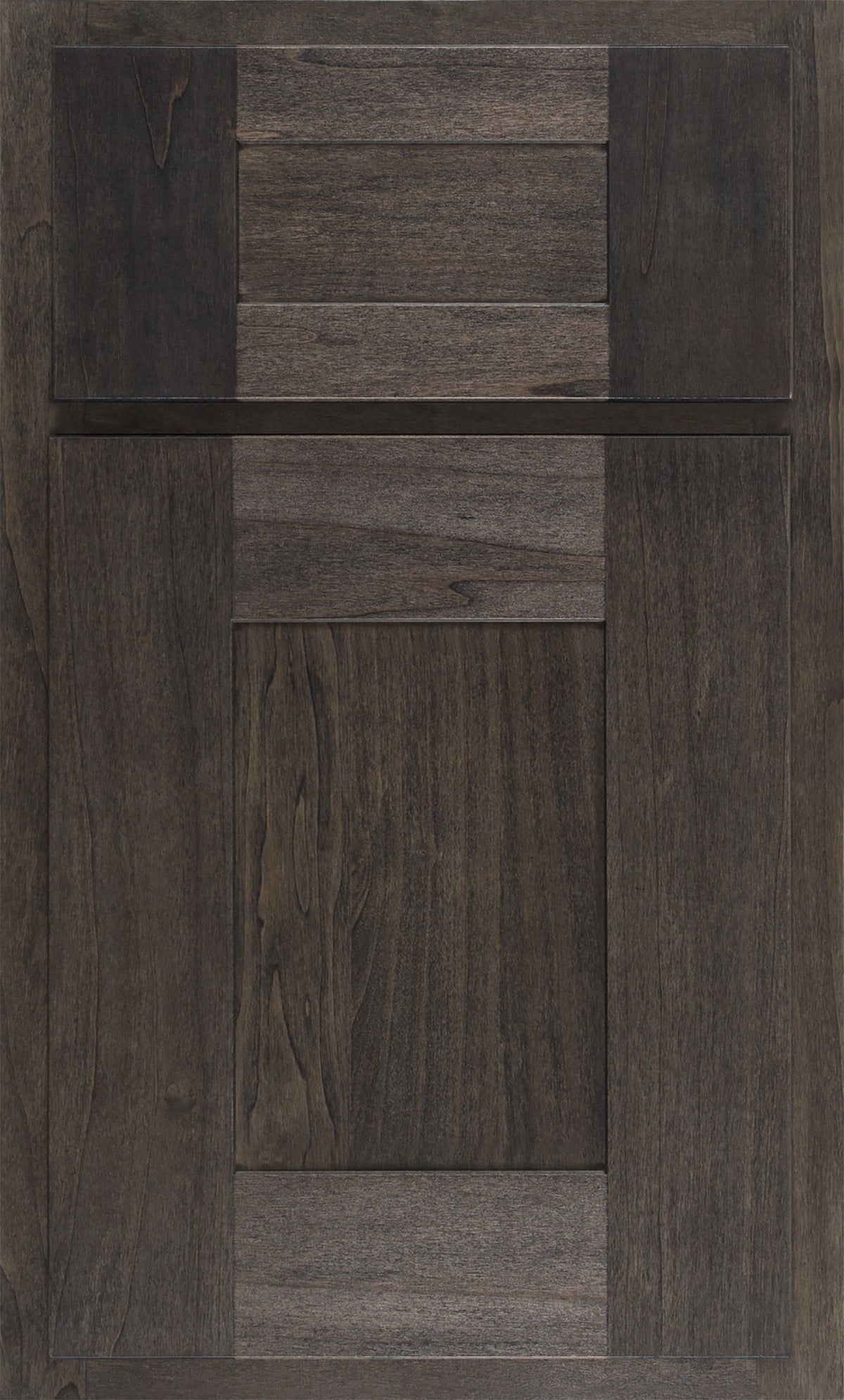



Traditional Kitchen Cabinets
Traditional kitchen cabinets, 55 door styles in six lines
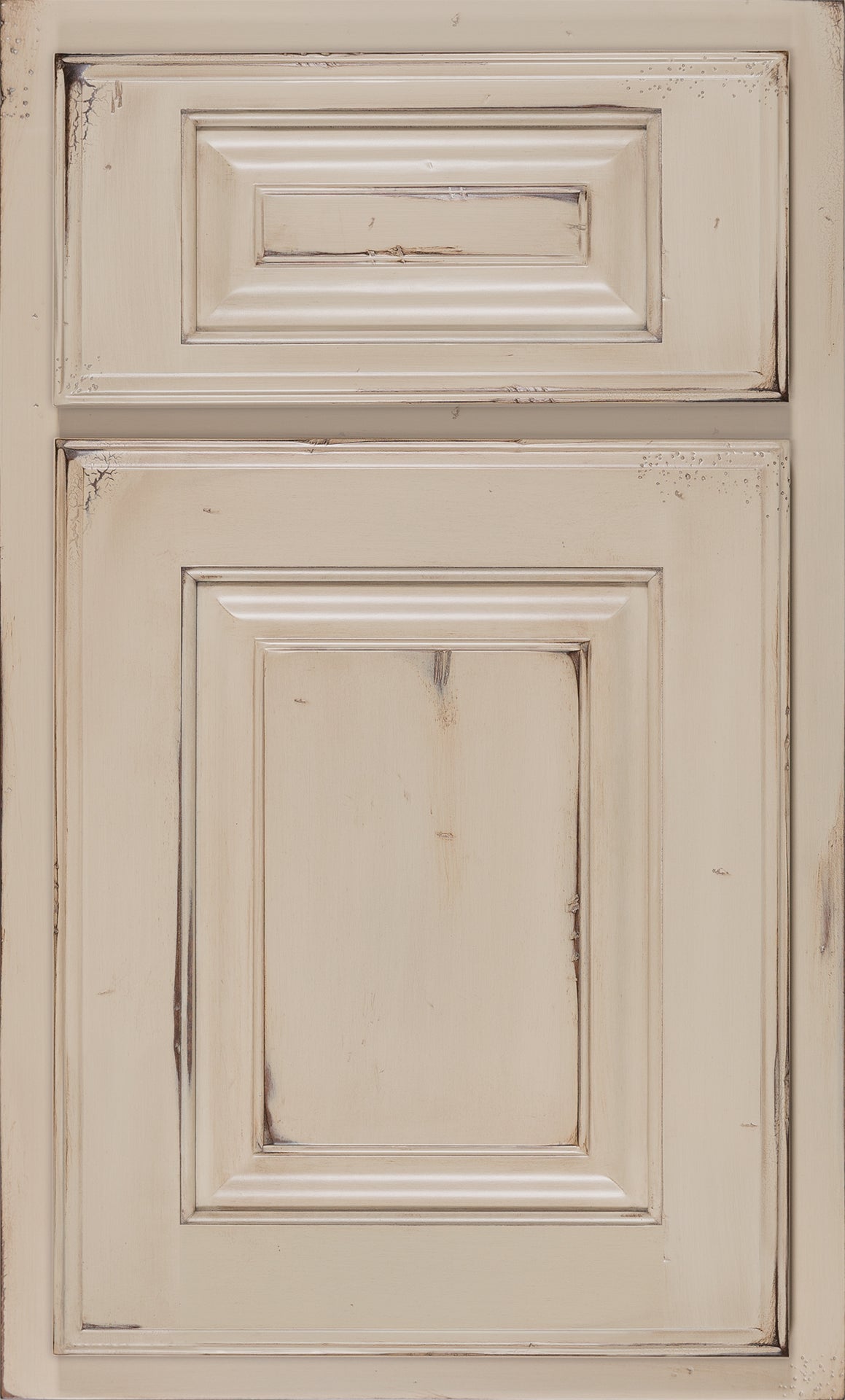
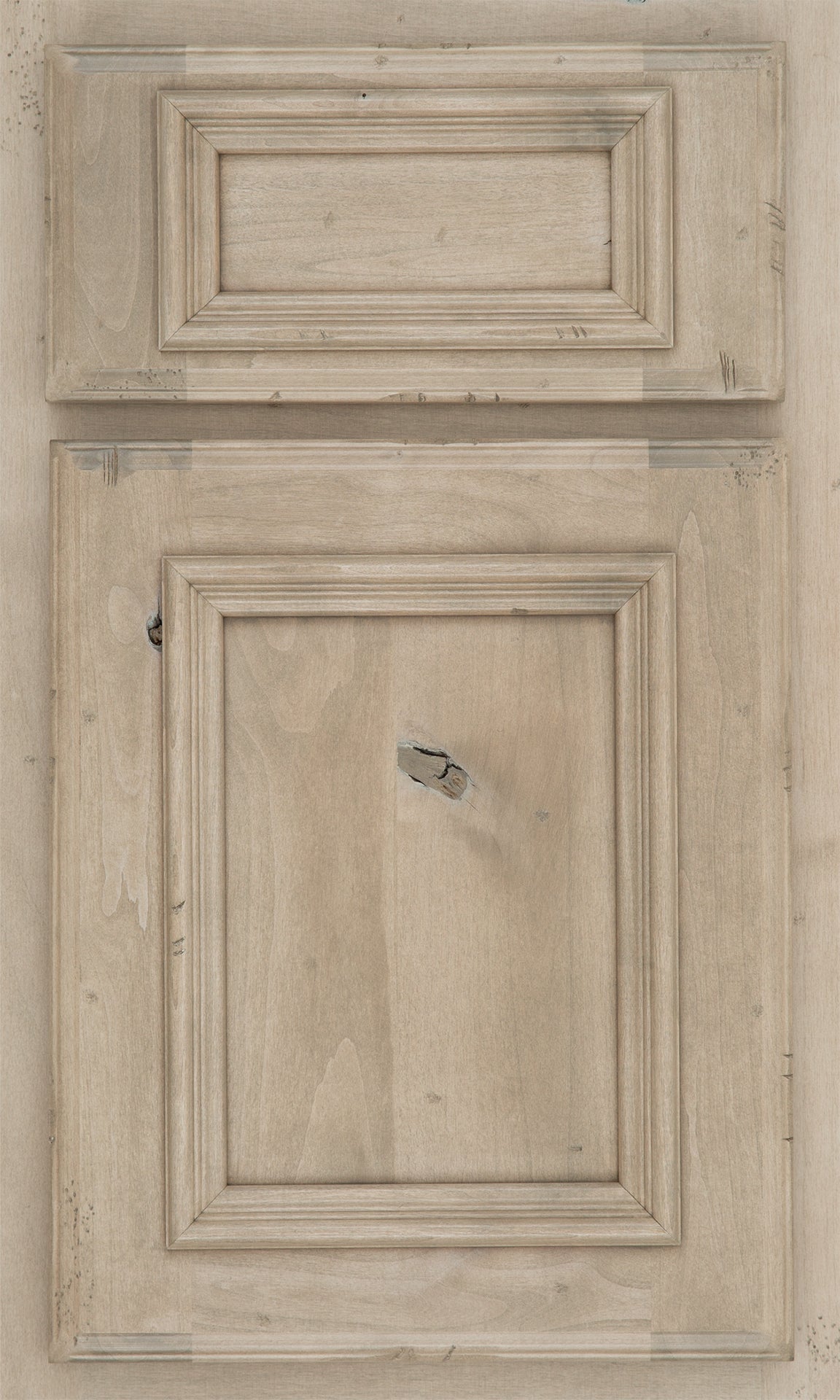
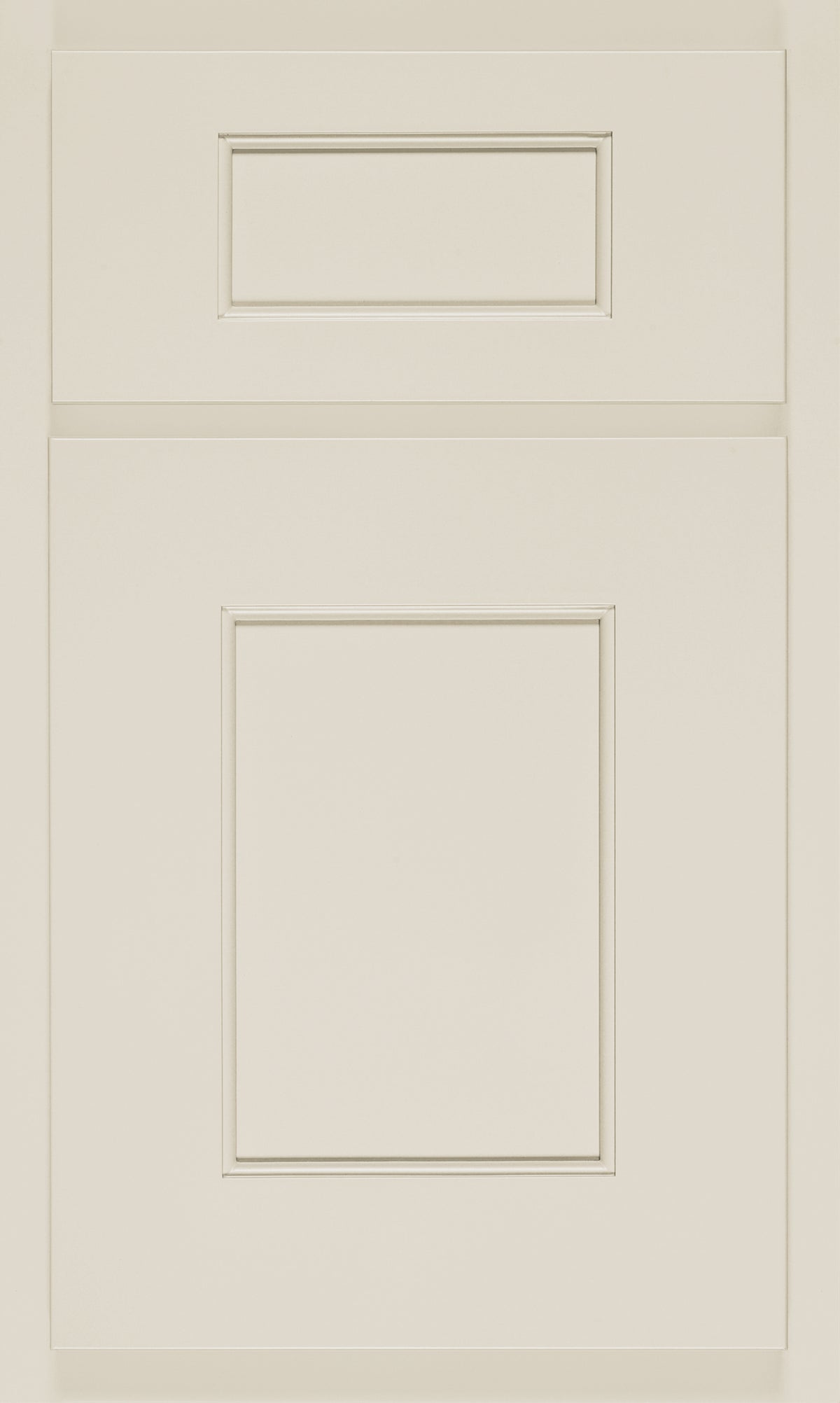
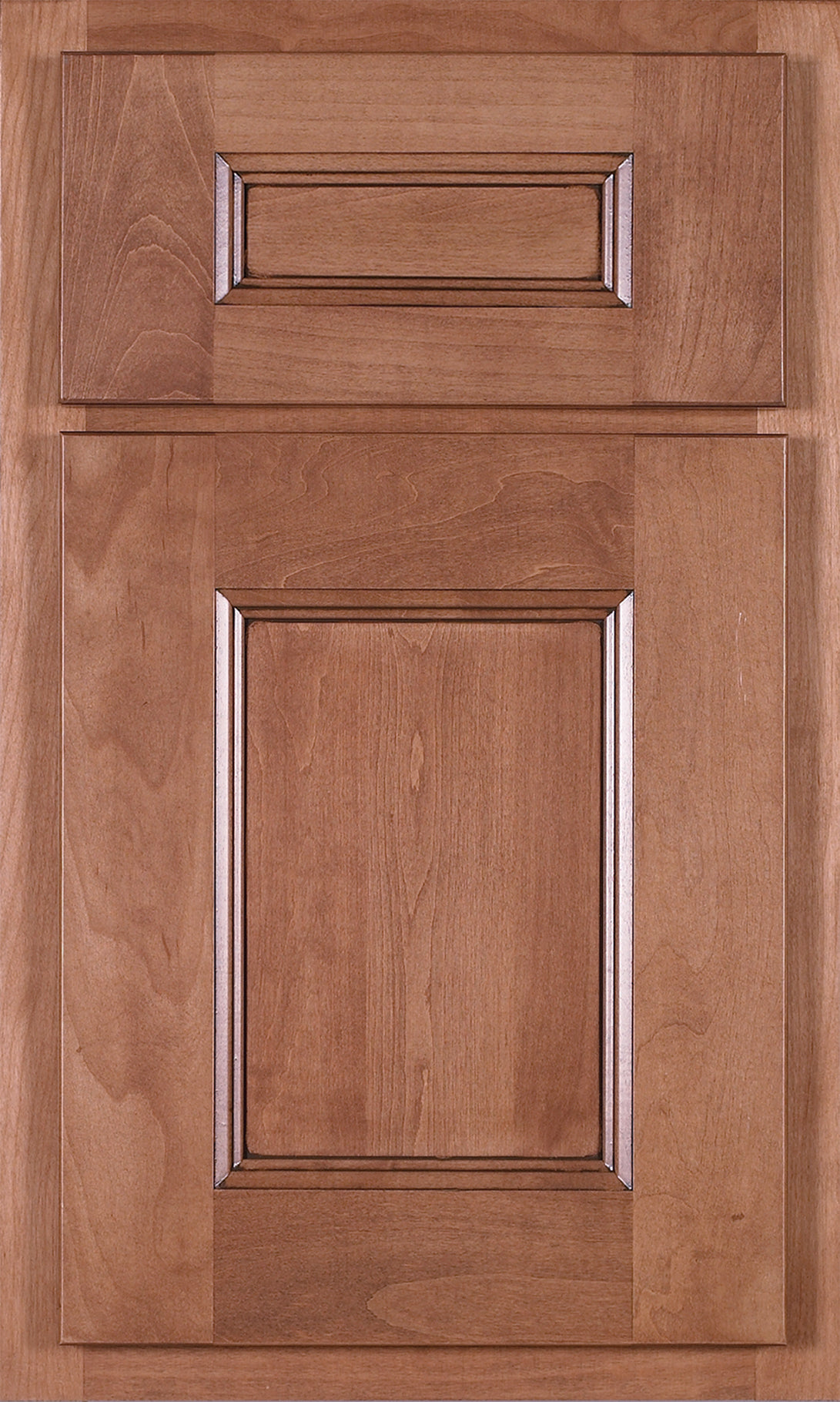
This collection holds 55 traditional door styles: 34 from Shiloh, 12 from St. Martin Cabinetry, 3 from CNC Cabinetry, 3 from J&K Cabinetry, 2 from Forevermark and 1 from Fabuwood. Traditional here means a raised or recessed panel inside a profiled frame, framed cabinet construction with a visible face frame between the doors, and finishes that lean toward white, off-white, cherry and espresso rather than high gloss. Every style on this page is a real door style we can order and show as a sample at our New Jersey and Brooklyn showrooms.
What makes a door style traditional
Raised panel and arched rails
The center panel sits proud of the frame, often with a cathedral or arched top rail. Shiloh Oxford Raised, Square Raised, Heritage and Hanover are the clearest examples in this collection, and the Shiloh Arch Raised Panel profile is the one most people picture when they say traditional.
Mitered and five-piece doors
A mitered door joins its frame at 45 degrees at the corners, so the profile runs continuously around the panel like a picture frame. CNC Park Ave is built this way: a five-piece mitered door and drawer front with a full overlay. The effect reads as furniture rather than cabinetry.
Framed construction and overlay
Traditional cabinets are usually framed, meaning a hardwood face frame sits at the front of the box. How much of that frame you see depends on the overlay. Shiloh publishes standard overlay as doors and drawer fronts overlaying the face frame by half an inch, leaving a one inch reveal of frame around the doors, and describes it as the most traditional style of overlay. Full overlay covers nearly all of the frame and looks tighter and more current. Inset sets the door inside the frame and is the most formal of the three.
The six traditional lines we stock
| Line | Traditional styles here | Door construction | Made by |
|---|---|---|---|
| Shiloh | 34 | Solid wood doors, except painted and Metropolitan doors | W. W. Wood Products, Dudley, Missouri |
| St. Martin Cabinetry | 12 | 7/8 in. solid wood door frames with HDF center panels | St. Martin Cabinetry, Cressona, Pennsylvania |
| CNC Cabinetry | 3 | Five-piece mitered solid wood door, MDF veneer center panel | CNC Cabinetry |
| J&K Cabinetry | 3 | 3/4 in. thick solid wood, full overlay | J&K Cabinetry |
| Forevermark (TSG) | 2 | All-wood construction | The Shekia Group, Edison, New Jersey |
| Fabuwood | 1 | Value Premium line, Hallmark Frost | Fabuwood |
Shiloh, the widest traditional selection on this page
Shiloh is built by W. W. Wood Products, a family-owned company that has made cabinetry in Dudley, Missouri since 1977 and sells only through independent retailers. The 34 Shiloh styles here are Asherville, Aspen, Bradford, Bristol, Charleston, Concord, Dalton, Essex, Glenbrook, Greensboro, Hamlin, Hanover, Hartford, Heritage, Kendall, Landes, Malibu, Manchester, Napa, New Haven, Oxford Raised, Portland, Richmond, Savannah, Scottsdale, Shelby, Somerset, Square Raised, Statesville, Summit, Tahoe, Ward, Wilmington and Windsor. Each one is listed in maple, oak and cherry.
St. Martin Cabinetry, the same door in three tiers
St. Martin offers four traditional door styles here, Hampton, Newhaven, Ridgewood and Wellington, and each one appears in three collections: Classic, Designer and Luxury. The door profile is the same across the three; the collection determines the species, finish range and construction platform. St. Martin builds on two platforms, Heritage for framed inset and Vista for full access, and publishes 16 painted and 17 stained finishes plus a bespoke color program. The four Luxury doors in this collection are also listed as rustic, so they carry more visible knots and grain movement than the Classic versions of the same door.
CNC, J&K, Forevermark and Fabuwood
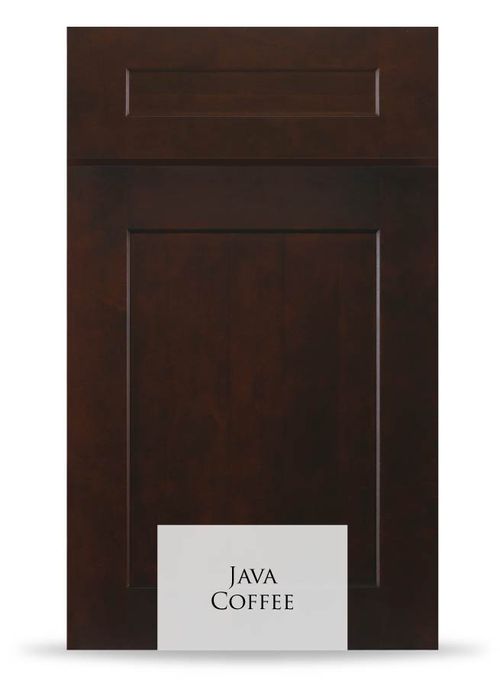
CNC Park Ave is the mitered furniture-style door, stocked here in Ocean White and Ocean Blue, alongside Country Honey from the Country collection. J&K covers the dark end of the range with Espresso, Java Coffee and Mahogany. Forevermark, made by The Shekia Group in Edison, New Jersey, brings Gramercy White and Signature Pearl White, both all-wood and both tested by a third party for durability, with emissions meeting or exceeding the US EPA standard. Fabuwood's Value Premium Hallmark Frost is the budget entry point into a traditional white.
Construction compared
These are the specifications each manufacturer publishes for its standard build. They are the figures worth comparing when two quotes look similar on paper.
| Specification | Shiloh | St. Martin | CNC Park Ave | J&K |
|---|---|---|---|---|
| Drawer box | 5/8 in. hardwood dovetail standard, 3/4 in. optional | 3/4 in. solid birch dovetail, 3/8 in. plywood bottom | Dovetail drawer | 5/8 in. solid wood dovetail |
| Drawer glide | Blum TANDEM edge 7/8 extension with BLUMOTION, full extension optional | Blum undermount full extension soft close | Full extension soft close undermount | Full extension soft close undermount |
| Hinge | Blum CLIP top BLUMOTION, 6-way adjustable, soft close | Blum soft close | Six-way adjustable soft close | 6-way adjustable soft close, hidden Euro style |
| Box sides | 1/2 in. plywood with finished ends | Plywood | 1/2 in. plywood sides and back, 3 in. hanging rails | 5/8 in. cabinet-grade plywood |
| Face frame | 1 1/2 in. wide solid wood | 7/8 in. solid wood door frames | 3/4 in. thick, 1 1/2 in. wide kiln-dried hardwood | Solid wood |
| Shelving | 3/4 in. plywood, metal shelf clips | Plywood | Adjustable plywood | 3/4 in. plywood, clear coat all sides |
| Finish | Catalyzed conversion varnish topcoat | 16 painted and 17 stained finishes, CARB2 compliant | Available in Ocean and White | Furniture finish |
Two details decide more arguments than the rest of the table. The first is the drawer glide: a 7/8 extension glide leaves the back of the drawer under the counter, which matters on a deep pot drawer, and both Shiloh and St. Martin offer full extension. The second is the face frame width, because a 1 1/2 in. frame is what gives a traditional kitchen its reveal between doors.
Wood species and how the grain changes the door
The Shiloh styles in this collection are quoted in maple, oak and cherry, and Shiloh publishes twelve species across its program. The species changes the price, the grain and how the finish ages.
| Species | Character | Worth knowing |
|---|---|---|
| Maple | High density, tight grain, creamy white to light blond | Dark mineral streaks are normal and contrast with the pale color. Mellows with light. |
| Cherry | Tight grain, light brown to pinkish red | Gum pockets appear as small dark flecks. Darkens with light faster than other species, so judge a recent sample. |
| Red oak | High density, distinctive open grain | The most common traditional species for decades, and the most affordable oak. |
| White oak | Hard and dense, light grayish tan to brown | Less cathedral figure than red oak, occasional medullary rays. |
| Quarter sawn and rift cut white oak | Medullary patterns, or a straighter linear grain in rift | Quarter sawn suits traditional work, rift reads closer to contemporary. |
| Hickory | Very high density, bold open grain | A single board can run from near white to dark brown. Extreme variation is expected. |
| Alder and rustic alder | Medium density, soft straight grain | Rustic alder carries open and split knots. Both dent more easily than maple. |
| Walnut | Medium density, coarse grain, chocolate heartwood | Color tone shifts with light exposure. |
| Poplar | Light to medium density, lightly figured | Specified for painted work. Softer than maple, so more prone to dings. |
If the kitchen is painted, the species matters less than the finish schedule. If it is stained, pick the species first and the color second, since the grain is what you will see from across the room. Our hardwood range covers the flooring side of the same question.
Choosing the finish color
Within this collection, 13 styles are tagged dark, 7 medium and 4 light, and the rest are ordered to a finish. These are the colour routes most traditional kitchens take, with the collection that holds the rest of each range.
- White. Forevermark Gramercy White, Signature Pearl White, CNC Park Ave Ocean White and Fabuwood Hallmark Frost. The frame profile reads far more strongly in white than in a stain. The full range is in white kitchen cabinets.
- Off-white and glazed. A glaze settles into the profile and the corners, which is why it suits raised panel doors. See off-white and antique white.
- Cherry and red tones. J&K Mahogany sits here. More in red and cherry kitchen cabinets.
- Espresso and dark browns. J&K Espresso and Java Coffee. More in espresso kitchen cabinets and dark color kitchen cabinets.
- Honey and light wood. CNC Country Honey. More in brown and light wood and light color kitchen cabinets.
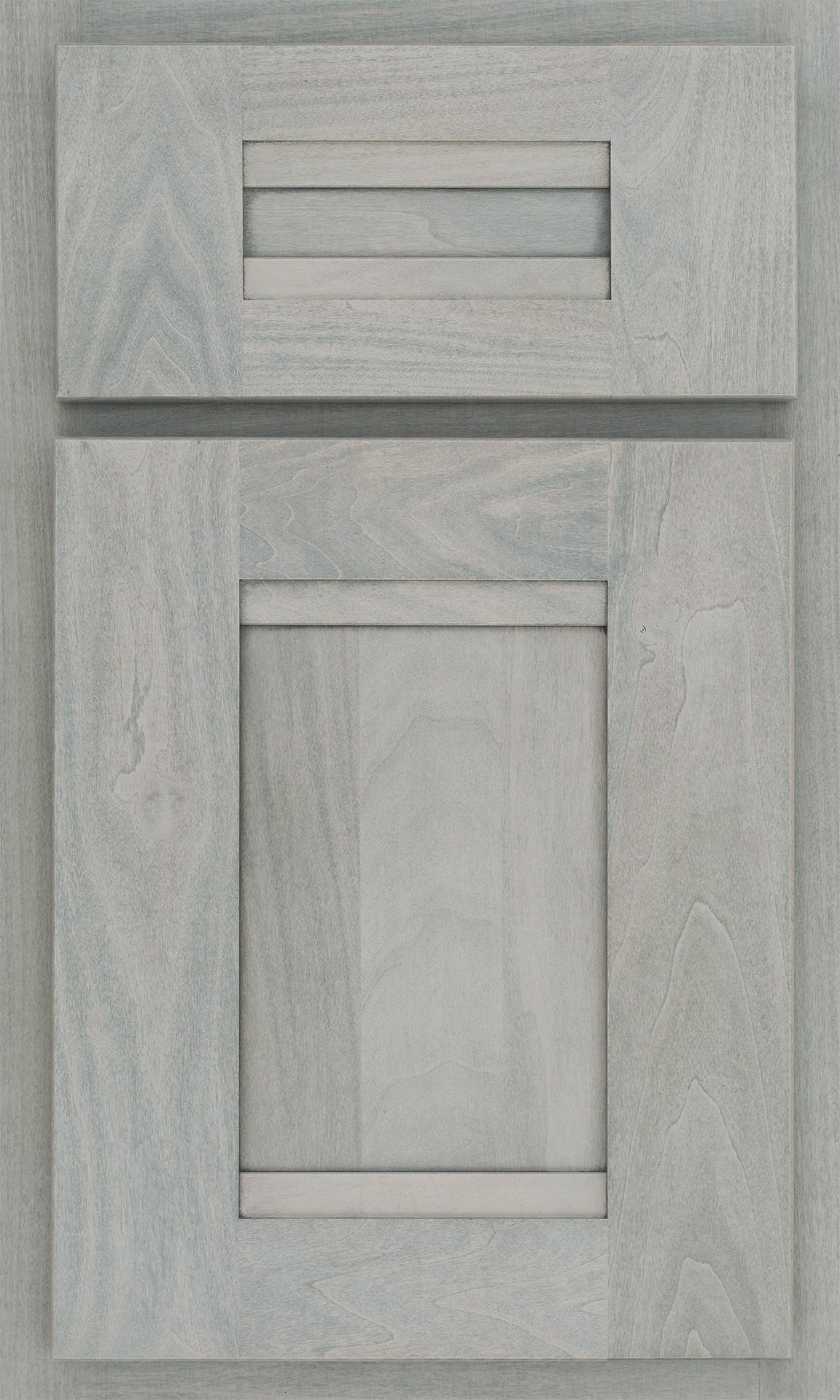
- Gray. Gray behaves like a neutral stain on a traditional door and pairs with warm counters. See grey kitchen cabinets and medium color kitchen cabinets.
- Blue. CNC Park Ave Ocean Blue is the one blue traditional door in this collection, and it is the closest thing we stock to a painted navy on a mitered door.
Traditional, transitional, shaker or rustic
| If you want | Look at |
|---|---|
| A full raised panel with a cathedral rail | Shiloh Oxford Raised, Heritage, Hanover in this collection |
| Traditional detail without the weight | Transitional kitchen cabinets |
| A flat recessed panel that suits any house | Shaker kitchen cabinets |
| Knots, saw marks and visible character | Rustic, country and farmhouse kitchen cabinets |
| Flat slab doors and no frame reveal | Modern kitchen cabinets |
If you are still deciding between lines rather than styles, the kitchen cabinets guide compares every brand we carry, and kitchen cabinets holds the whole range.
Countertops, backsplash and hardware for a traditional kitchen
A raised panel door carries more shadow than a slab, so the surfaces around it usually work better quiet than busy. Quartz countertops in a soft veined white are the most requested pairing for a white traditional kitchen, and the full stone range is in countertops. On the wall, a handmade-look ceramic or a classic subway sits comfortably with a profiled door: see backsplash tiles and glass tile. For the sink, a farmhouse apron front is the traditional choice and is in kitchen sinks. Cup pulls and knobs in an aged finish suit mitered and raised panel doors, and our hardware trends article covers what is current in brushed brass, matte black and fluted detail.
See the doors before you commit
Door samples and finish variation are hard to judge on a screen, and both Shiloh and St. Martin say the same thing in their own literature: view a recent sample before selecting, especially in cherry and walnut, which keep changing color after they leave the factory. We keep door displays at our showrooms in Clifton, Newark, North Bergen and Brooklyn. You can book an appointment, ask for a layout through design services, or send measurements through the contact page and we will come back with a quote on the styles you are considering.
Traditional kitchen cabinet questions
What counts as a traditional kitchen cabinet?
A door with a raised or recessed panel inside a profiled frame, usually on a framed cabinet with a visible face frame between the doors. Arched rails, mitered corners, applied molding and glazed finishes all read as traditional. A flat slab door on a frameless box reads as modern.
Which traditional line gives the most door styles?
Shiloh, with 34 traditional styles in this collection. St. Martin follows with four door styles offered across three collections, giving 12 listings.
Are traditional cabinets more expensive than shaker?
Not by default. The price is set by the line, the species, the finish and the box construction rather than by the profile. A painted raised panel in poplar and a painted shaker in poplar from the same line usually land close together, while the same door in cherry or walnut costs more. Send your layout through the price estimator for a figure on your own kitchen.
Full overlay or standard overlay on a traditional door?
Standard overlay leaves a reveal of face frame around each door, which is the classic look and what Shiloh describes as the most traditional overlay. Full overlay covers nearly all of the frame and reads tighter and more current. Inset is the most formal and the most expensive, and St. Martin builds it on its Heritage platform.
Which wood should I choose for a stained traditional kitchen?
Maple for a tight even grain, red or white oak for open grain at a lower cost, cherry if you want the color to deepen over time, hickory if you want strong variation. Cherry and walnut both shift tone with light exposure, so compare a sample made recently rather than an old display.
Do you carry inset cabinetry?
Yes. St. Martin's Heritage platform is framed inset, and Shiloh offers flush and beaded inset on its Blum CLIP top hinge, with a 3/8 in. partial inset option that uses a knife hinge and does not soft close.
Can I mix a traditional perimeter with a different island?
Yes, and it is a common way to add a second color without redoing the whole kitchen. The usual approach is a painted perimeter with a stained island in the same door style, or the same color in a different species. Bring both samples together at a showroom before ordering.
How long does a traditional cabinet order take?
Lead time depends on the line, the finish and whether the order includes modifications, so we confirm it per quote rather than publishing one figure. Ask when you book, and we will check current lead times with the manufacturer for the styles on your list.