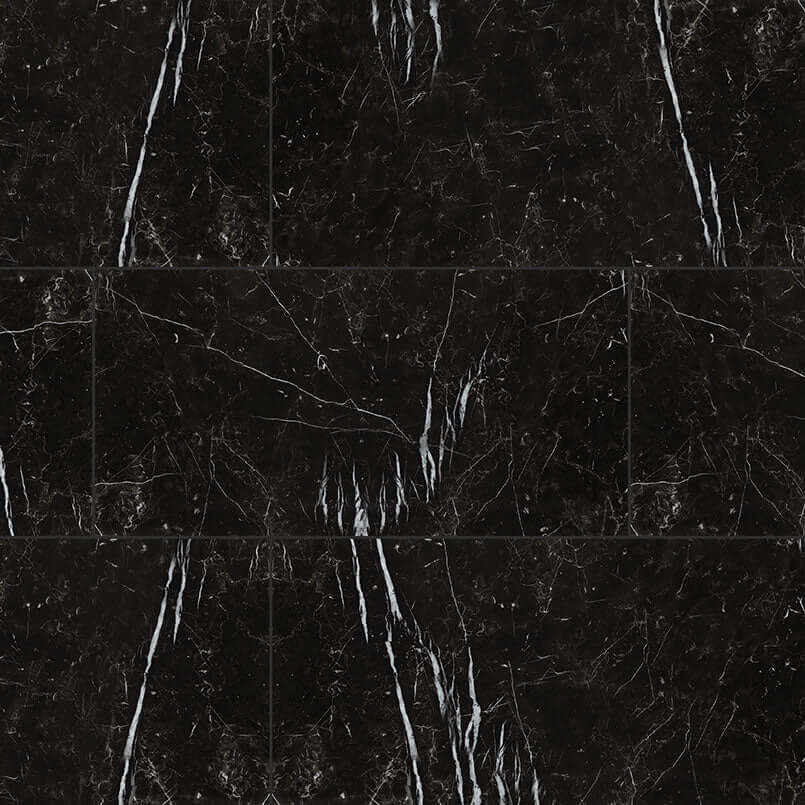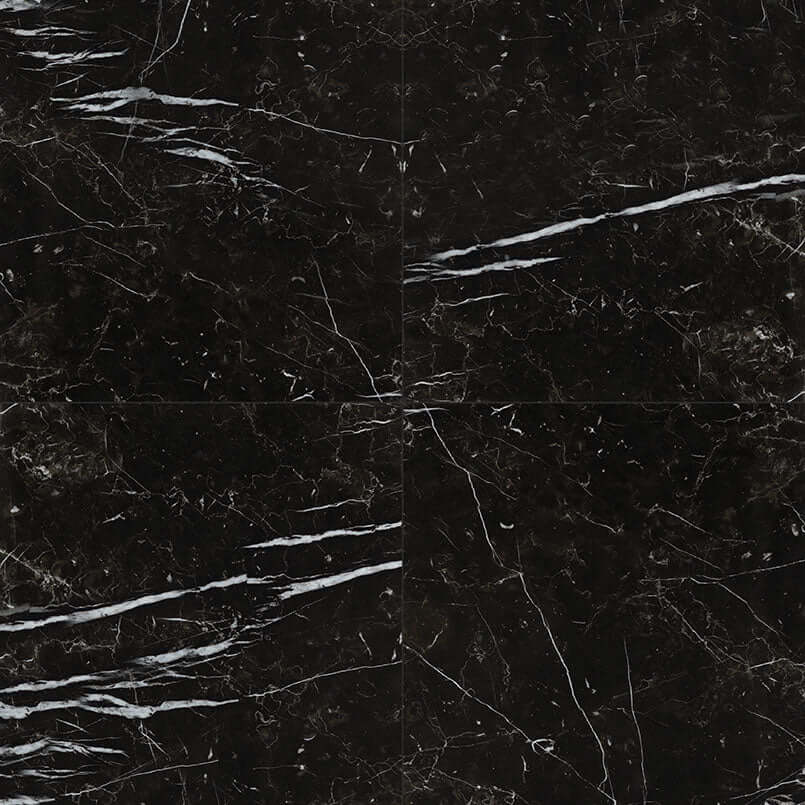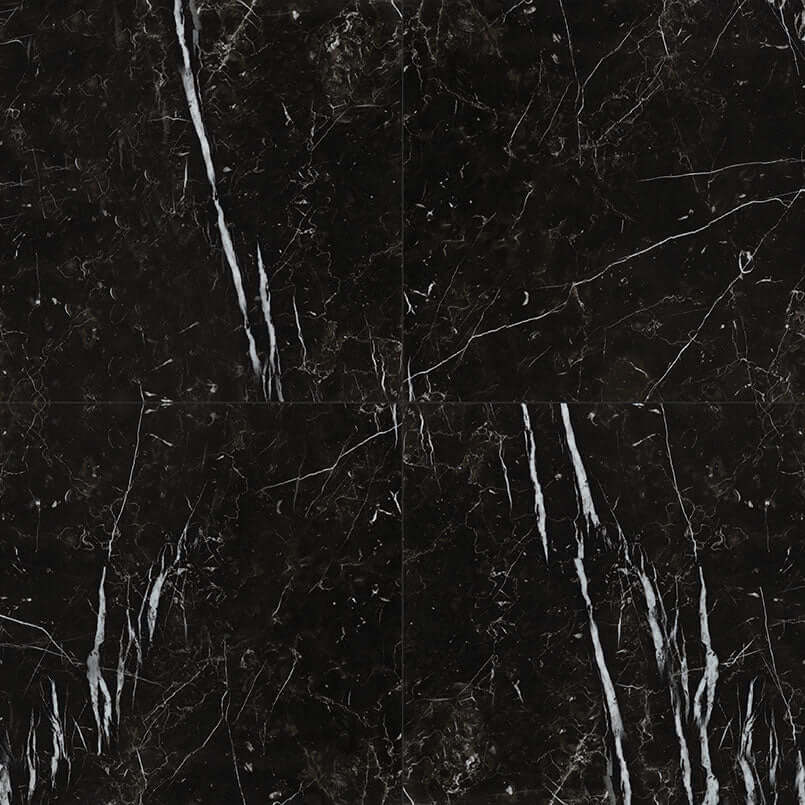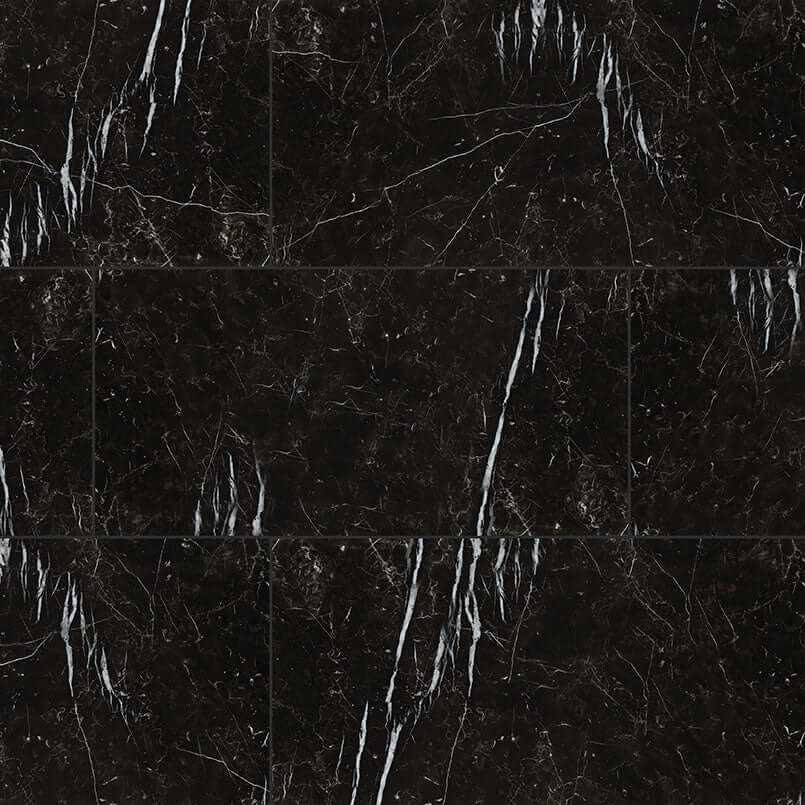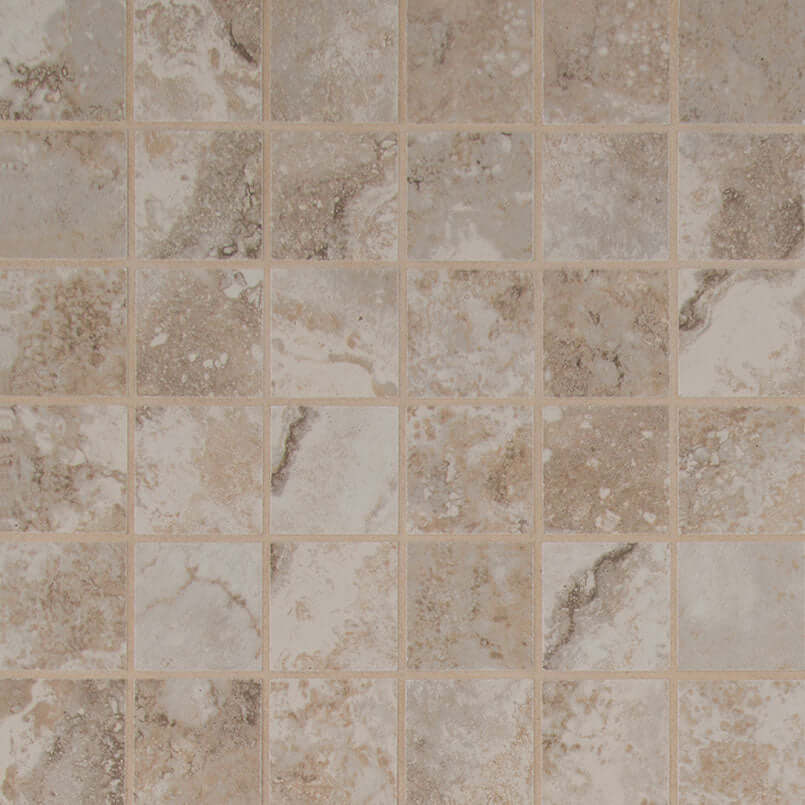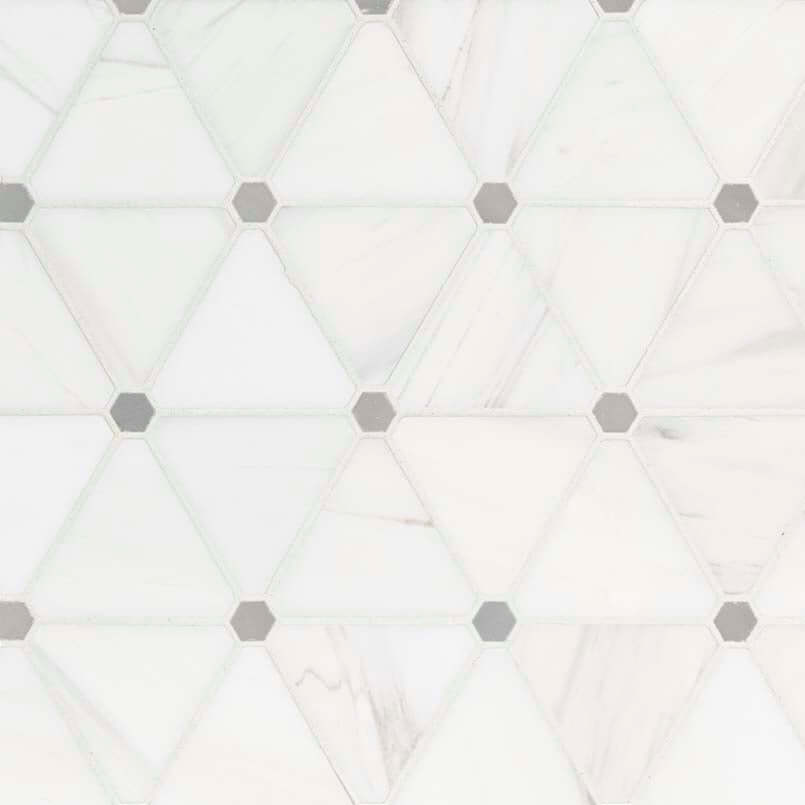


Backsplash Tiles
Backsplash Tile: 806 Kitchen and Bathroom Styles
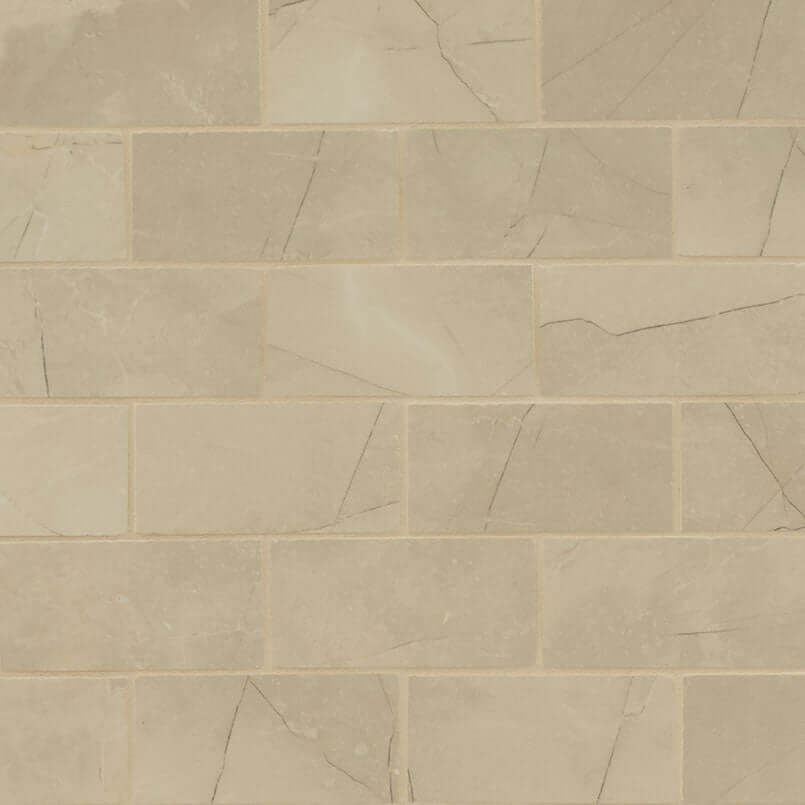
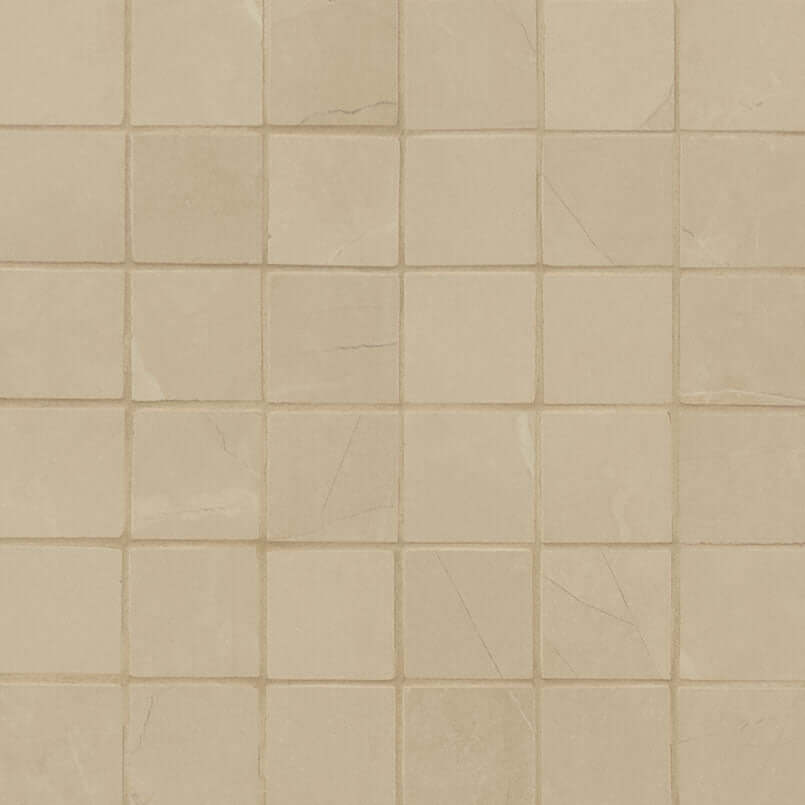
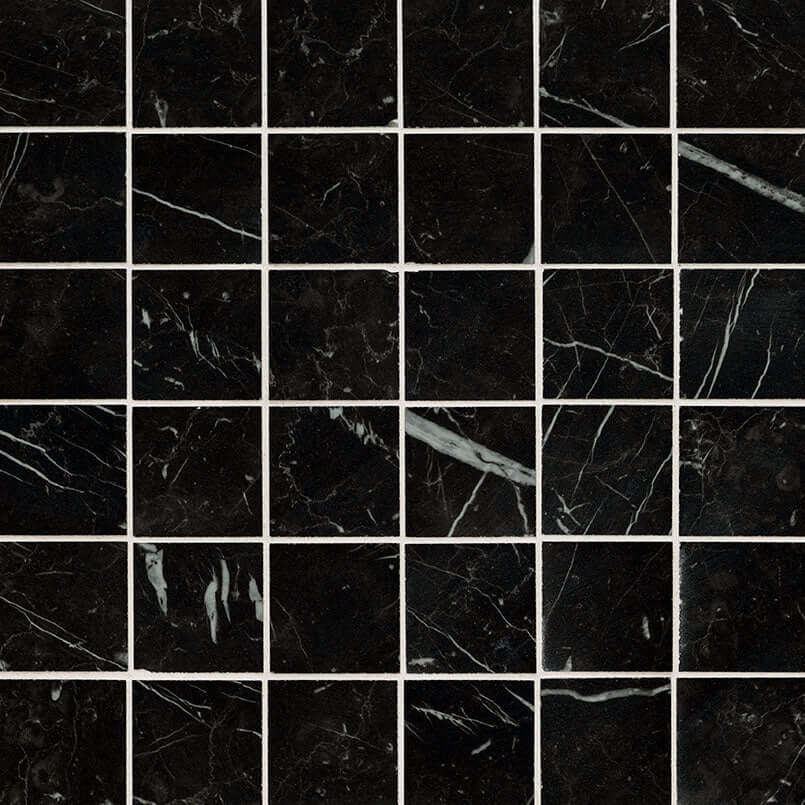
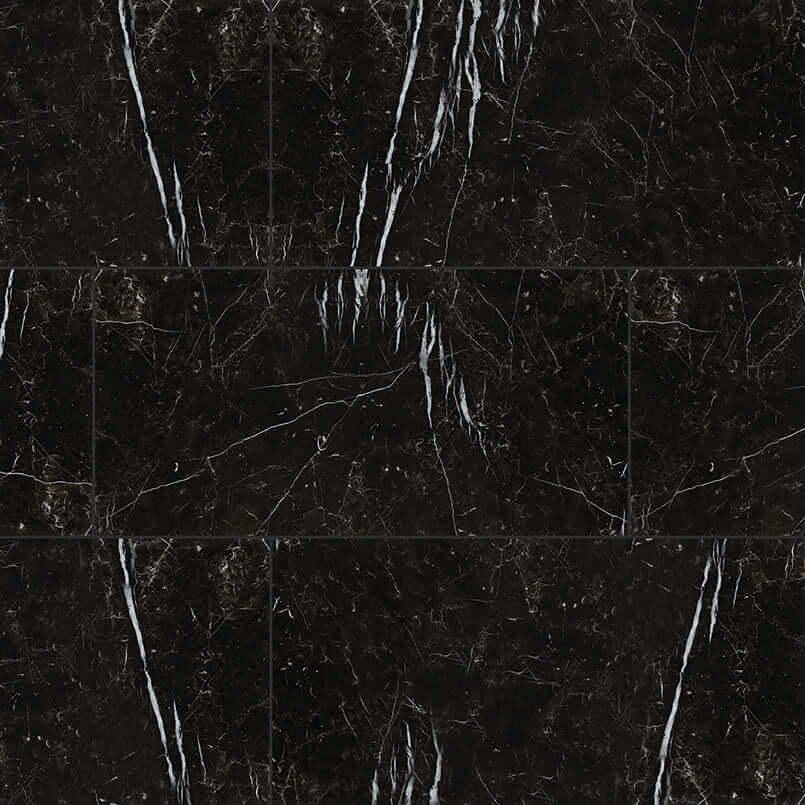
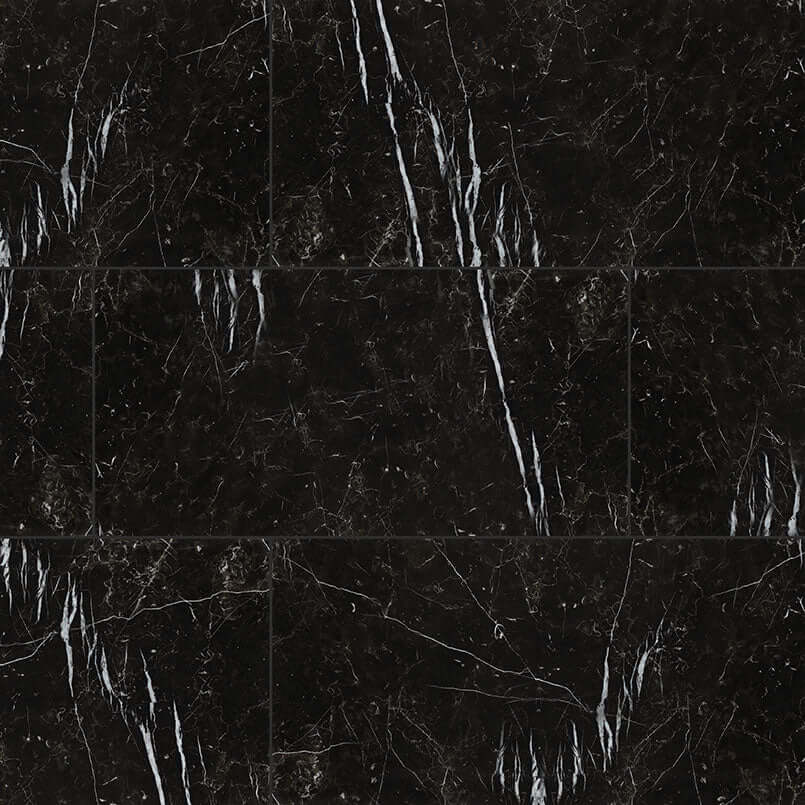
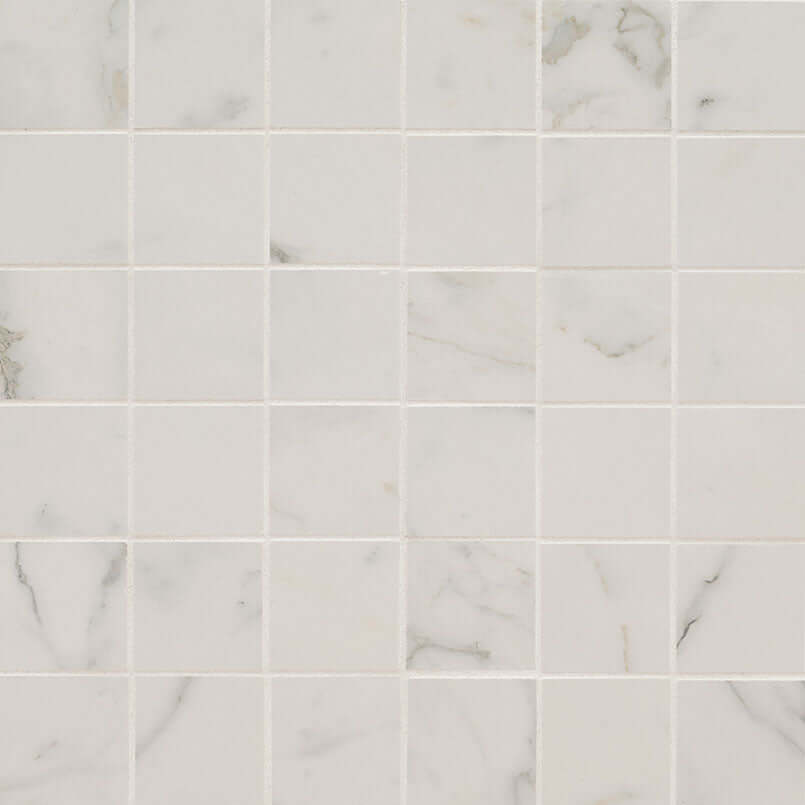
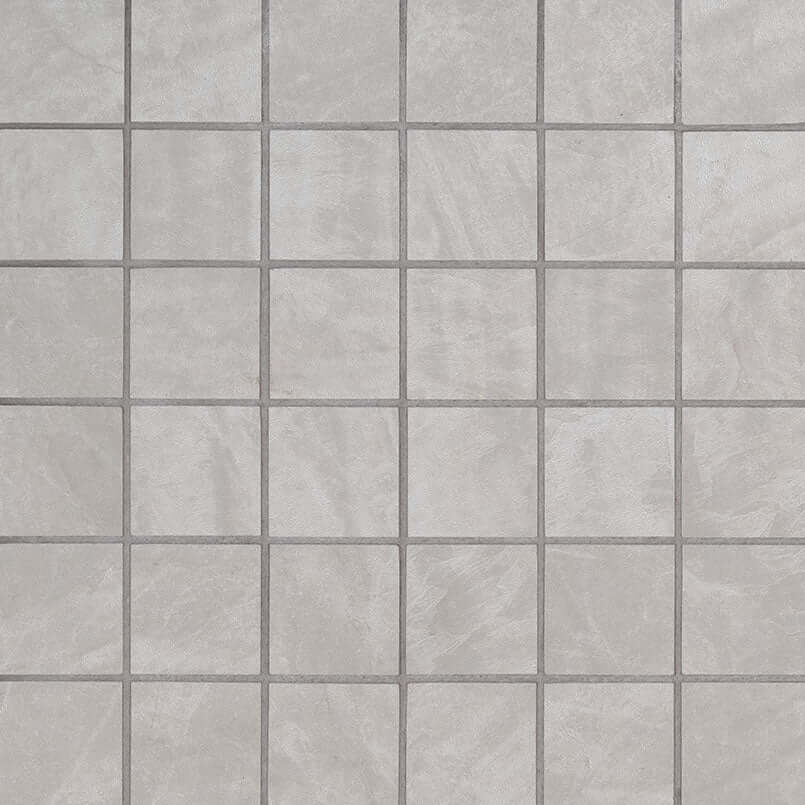
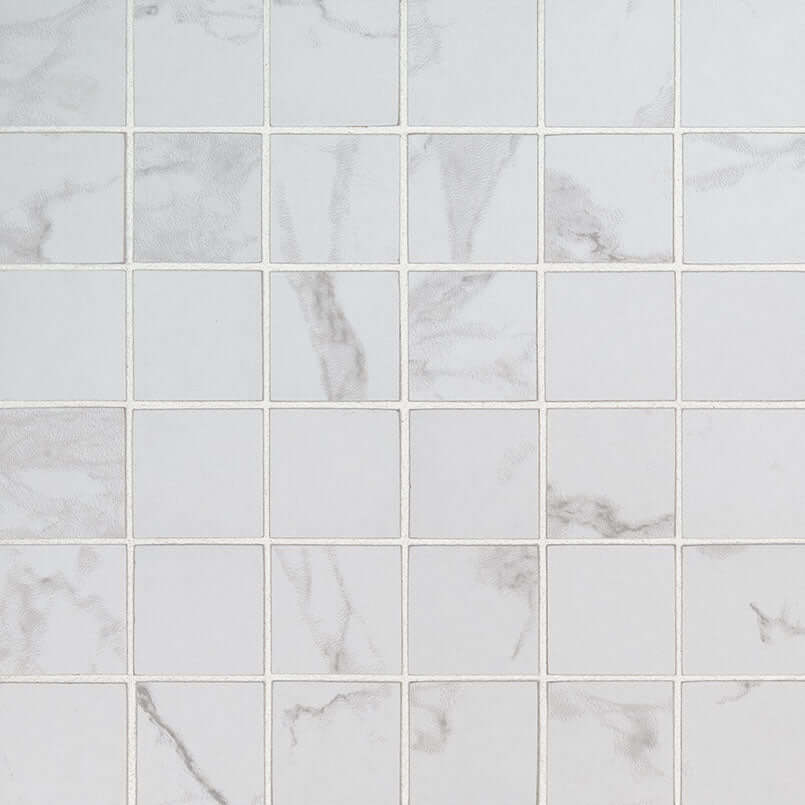
A backsplash is the smallest tiled surface in most homes and the one people look at most. It sits at eye level, it frames the range and the sink, and it is the one material decision that can be changed without touching cabinets or countertops. This collection brings together 806 backsplash tiles in porcelain, natural stone, glass, ceramic, metal, clay and cement, from mosaic sheets to large-format panels, with matching trims and bullnose pieces so a run of tile can be finished properly at the edges.
Everything below is drawn from the product data behind this page: material, finish, look, shade and intended use are recorded on each tile, so the counts in the tables are the real contents of the collection rather than a general description of the category. Use them to narrow 806 options down to a short list, then see the short list in person at one of our four showrooms.
The collection at a glance
| Material | Tiles | Best known for |
|---|---|---|
| Porcelain | 378 | Hardest-wearing, lowest maintenance, widest range of looks |
| Natural stone | 294 | Marble, travertine and stacked-stone panels with real depth |
| Glass | 83 | Light reflection, colour saturation, easy wipe-down |
| Ceramic | 64 | Classic glazed subway and handmade-look field tile |
| Metal | 12 | Accent strips and mixed-material mosaics |
| Clay | 8 | Handcrafted surface with visible irregularity |
| Cement | 3 | Encaustic-style pattern tile |
By format the collection splits into 382 mosaics, 224 dedicated wall tiles, 476 tiles rated for floor or wall, 50 bullnose pieces and 11 trims and pencils. Browse the full set here, or jump to mosaic tile, wall tile, bullnose trim and pencil trim.
Step 1: choose a material
Porcelain backsplash tile (378 options)
Porcelain is the default recommendation behind a range. It is fired dense, absorbs almost no water, does not need sealing and shrugs off grease, tomato sauce and cleaning products. Modern printing also means porcelain now carries most of the looks people actually want: marble look, concrete look, wood look and brick look are all available in porcelain without the maintenance of the material they imitate. See the whole porcelain tile range.
Natural stone backsplash tile (294 options)
Natural stone is the choice when you want a surface that is genuinely one of a kind. This part of the collection covers polished and honed marble, tumbled travertine and split-face stacked-stone panels that build a textured feature wall. Stone is porous, so it needs sealing on installation and periodic resealing, and acidic foods will etch a polished marble surface. Behind a sink or a coffee station that is rarely an issue; directly behind a gas range it is worth thinking about. Browse natural stone tile and the wider stone collection.
Glass backsplash tile (83 options)
Glass is the easiest surface in this collection to keep clean and the best at bouncing light into a dark galley kitchen. It is almost always sold as mosaic sheets, which is why it suits narrow runs and the strip between counter and upper cabinets. Because glass is translucent, the colour of the setting material affects the finished colour, so it is worth agreeing the adhesive with your installer. See the glass tile collection.
Ceramic backsplash tile (64 options)
Ceramic is where classic glazed subway lives. It is lighter than porcelain, easy to cut, and forgiving on a wall that is not perfectly flat. It is not as hard as porcelain, but on a vertical surface that is rarely the deciding factor. See ceramic tile and subway tile.
Metal, clay and cement (23 options)
These are accent materials rather than whole-wall materials. Metal tile appears mostly inside mixed-material mosaics and as liner strips. Clay tile carries the irregular, handmade surface that reads as artisan. Cement tile delivers encaustic pattern. All three work best used deliberately, over a hood or inside a niche, rather than across an entire kitchen.
Step 2: choose a format and size
Format decides how much grout you see and how much cutting the job needs. Mosaics come on mesh sheets and follow curves and outlets easily; large-format field tile gives a calmer wall with fewer joints but needs a flatter substrate. The ten most common sizes in this collection are below.
| Size (inches) | Tiles | Typically used for |
|---|---|---|
| 12 x 24 | 102 | Full-height large-format walls, minimal grout lines |
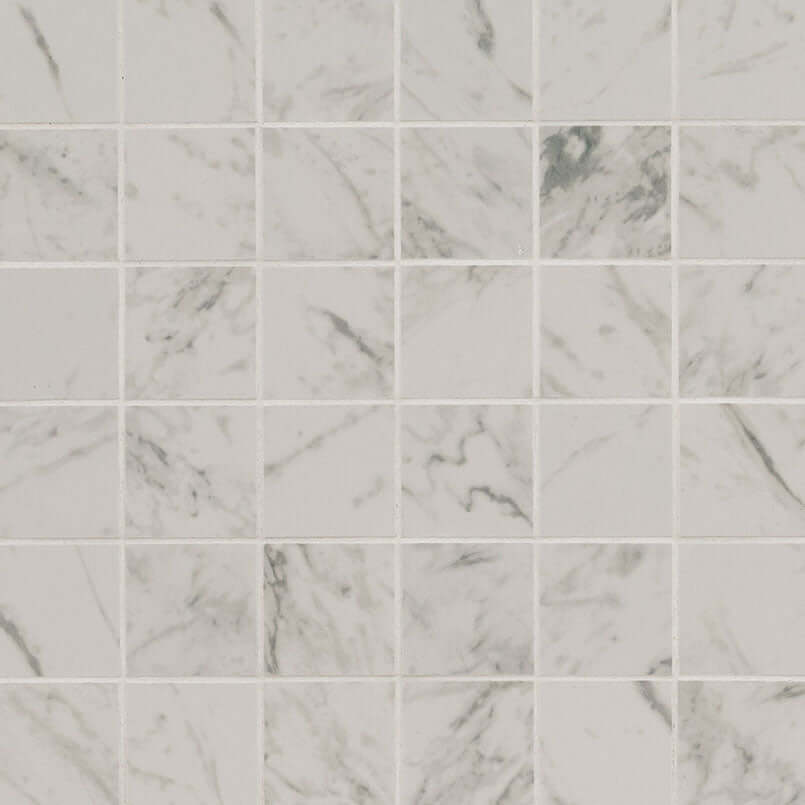
| 2 x 2 | 75 | Mosaic sheets, shower floors, small feature panels |
| 24 x 48 | 58 | Slab-look feature walls behind a range |
| 4 x 12 | 31 | Oversized subway, modern stacked or offset layouts |
| 24 x 24 | 31 | Square large format, floor-to-backsplash continuity |
| 6 x 24 | 20 | Stacked-stone and ledger panels, plank layouts |
| 2 x 4 | 20 | Mini-brick mosaics, herringbone sheets |
| 2 x 6 | 14 | Small subway, vertical stack detailing |
| 12 x 12 | 13 | Mosaic sheet carrier size and classic square field |
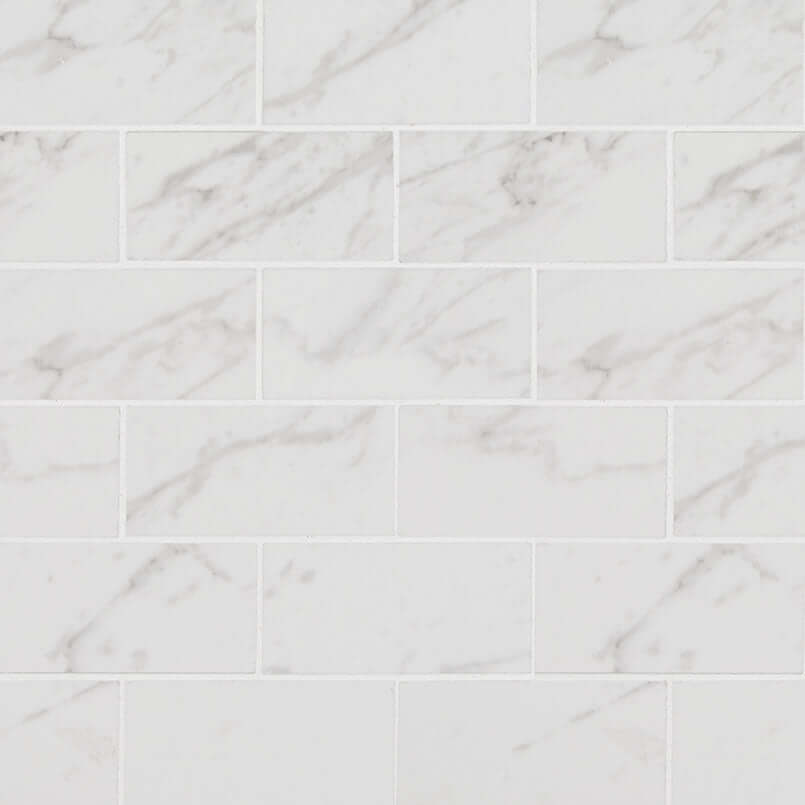
| 3 x 6 | 11 | Traditional subway proportion |
Shortcuts by size: 3 x 12, 6 x 24, 12 x 24, 24 x 24 and 24 x 48.
Step 3: choose a finish
Finish changes how a backsplash reads far more than colour does. The collection breaks down as follows.
| Finish | Tiles | What it does on a wall |
|---|---|---|
| Polished and high gloss | 313 | Maximum light reflection; shows water spots more readily |
| Matte | 270 | Soft, contemporary, hides fingerprints and splashes |
| Honed | 94 | Smooth but not shiny; the usual choice for marble |
| Multi finish | 67 | Mixed surfaces within one mosaic sheet for depth |
| Textured | 44 | Split-face and dimensional panels that cast shadow |
| Tumbled | 14 | Softened edges, aged look, typical of travertine |
A practical rule: the closer the tile sits to a cooking surface, the more a matte or honed finish repays itself, because grease film is far less visible than it is on high gloss. Gloss earns its place on a wall that faces a window or sits opposite a sightline you want to open up.
Step 4: choose a look
| Look | Tiles | Browse |
|---|---|---|
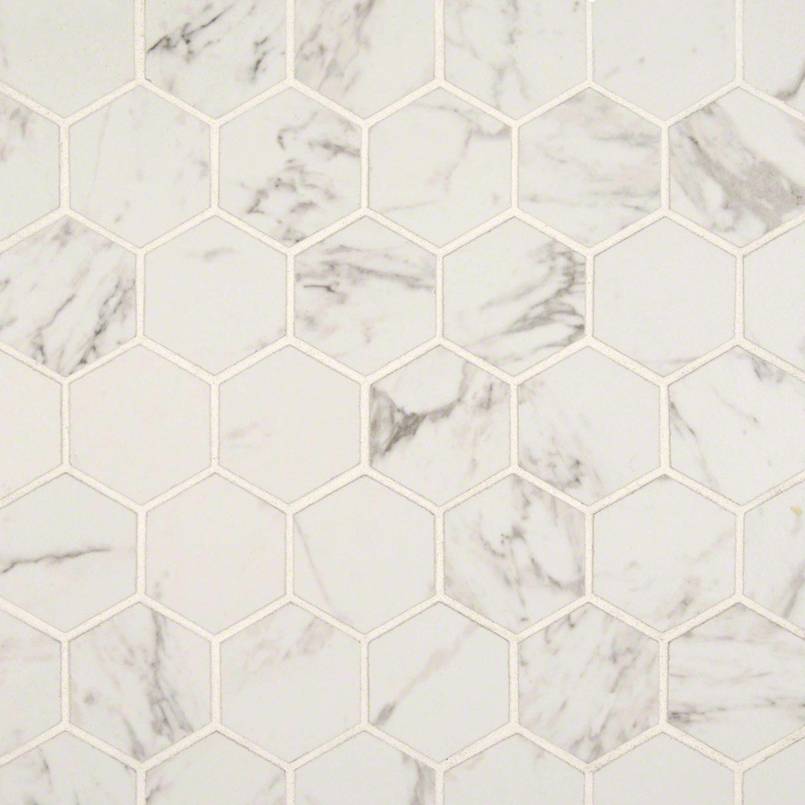
| Marble look | 289 | Marble look tile |
| Stone look | 227 | Stone look tile |
| Pattern | 182 | Pattern tile |
| Decorative | 87 | Decorative tile |
| Subway | 71 | Subway look tile |
| Concrete look | 47 | Concrete look tile |
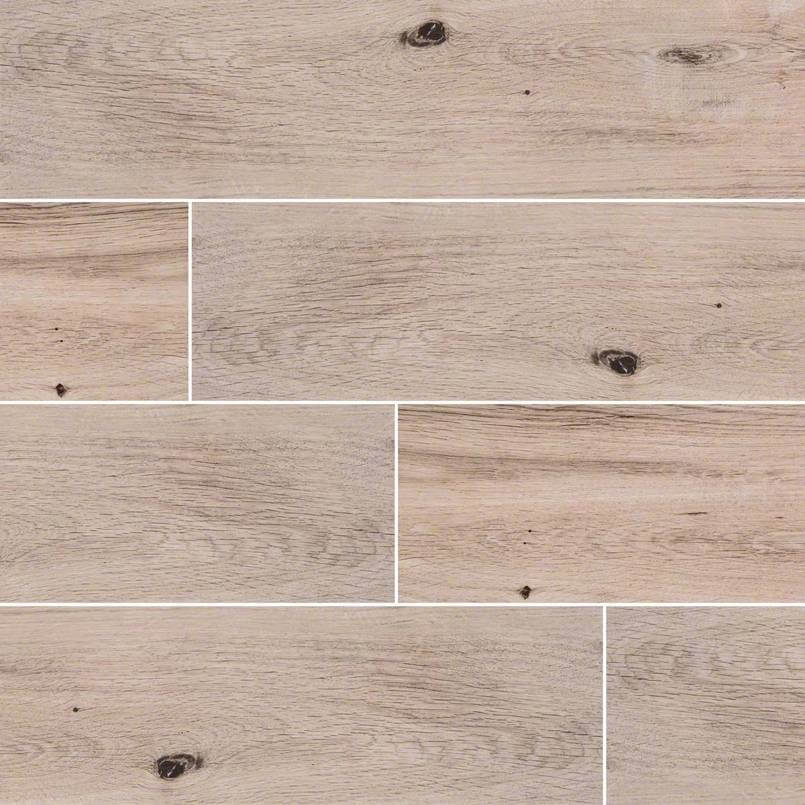
| Wood look | 39 | Wood look tile |
| Brick look | 28 | Brick look tile |
| Travertine look | 26 | Travertine look tile |
| Metallic | 17 | Metallic look tile |
| Onyx look | 13 | Onyx look tile |
Smaller specialist looks are stocked as well, including checkerboard, basketweave, herringbone, picket, handcrafted, fabric and retro tile.
Step 5: check shade and variation before you order
Variation is the single most common source of disappointment on a tile order, because a sample board never shows the full spread of a production run. Every tile in this collection carries a shade value: 585 light, 211 medium, 96 dark and 115 rated high variation. High variation is not a defect. It is the point of split-face stone and many patterned porcelains, and it is why those products should be dry-laid on the floor and shuffled across boxes before anything is set. If you want a wall that reads as one uniform colour, filter towards the light and medium ranges and away from high variation. If you want movement, do the opposite.
Looking for a bright, uniform wall? Start with white tile.
Matching backsplash tile to your kitchen cabinets
The backsplash is the joint between two decisions that are usually already made: the cabinets and the countertop. Pick it last, and pick it against real samples of both. The pairings below are where most kitchens we design end up.
White and off-white cabinets
With white kitchen cabinets or off-white and antique white cabinets, the backsplash is usually the only place with a chance to add contrast. Two reliable directions: a warm marble look with soft grey veining, which keeps the room light while giving the eye something to follow, or a saturated glass or glazed ceramic in a deeper tone for a deliberate accent band.
Shaker door styles
Shaker cabinets are square-edged and quiet, which is why classic proportions work so well with them. A 3 x 6 or 4 x 12 subway tile in a matte glaze is the safest answer in the collection, and a stacked rather than offset layout modernises it without adding cost.
Grey, dark and two-tone kitchens
With grey cabinets or a darker modern kitchen, light is the thing you are short of. A glass mosaic or a polished light-shade porcelain puts it back. Keep the grout close to the tile colour so the wall reads as a single plane rather than a grid.
Traditional and wood-tone kitchens
For traditional cabinetry and warm wood tones, tumbled travertine, brick look and handcrafted surfaces sit more naturally than high gloss. Light-colour cabinet ranges sit comfortably with either direction.
If cabinets are still undecided, our kitchen cabinet buying guide compares the lines we carry, and our brand comparison article covers how they differ in construction. We stock Fabuwood, Forevermark (TSG), St. Martin Cabinetry, CNC Cabinetry and J and K Cabinetry across the full cabinet range.
Where else these tiles work
Every tile on this page is rated for backsplash use, but most carry additional approved applications, which matters if you want one material to run through several rooms.
- Kitchen (677 tiles) - browse kitchen tile
- Bathroom (654 tiles) - browse bathroom tile
- Shower (465 tiles) - browse shower tile
- Outdoor (149 tiles) - browse outdoor tile
- Countertop (22 tiles) - browse countertop tile
- Accent wall (19 tiles) - browse accent wall tile
- Pool (11 tiles) - browse pool tile
- Fireplace (4 tiles) - browse fireplace tile
A tile rated for floor or wall use can be run from the backsplash down onto the floor, which is a common way to make a small kitchen or powder room feel larger. See the wider floor tile range for the same series in floor formats.
About the brands behind this collection
Of the 806 tiles on this page, 792 are supplied by MSI and 14 by Otto Floors. MSI is M S International, Inc., founded in 1975 by Manu and Rika Shah and headquartered in Orange, California. It is one of the largest distributors of flooring, countertop, wall tile and hardscaping products in North America, operating more than 50 showrooms and distribution centres across the United States and Canada, with a product range sourced from over 37 countries. MSI is a member of the National Kitchen and Bath Association, the Natural Stone Institute, the Ceramic Tile Distributors Association and the U.S. Green Building Council, and marked its 50th anniversary in 2025.
For homeowners the practical consequence is availability. A backsplash is a small quantity of tile, and a small quantity is exactly what gets discontinued or backordered first. A national distribution network is why a series chosen today is usually still orderable when the extra box is needed mid-installation. Browse the wider MSI tile and countertop range or the Otto Floors range.
How to measure and how much to order
Measure the length of each run of wall and the height from countertop to the underside of the upper cabinets. Multiply the two, add the runs together, and then measure the area behind the range separately if it goes full height to the hood. Subtract nothing for outlets; you will cut those tiles and lose the offcuts.
Then add an overage. Ten per cent is the normal allowance for a straight stacked or offset layout. Fifteen per cent is more realistic for herringbone, chevron or any diagonal layout, because every tile at the perimeter gets cut. Buy the overage with the original order rather than afterwards, so that everything comes from the same production batch and the shade matches.
Products in this collection are listed either by the square foot or by the piece, and each product page shows the coverage, the pieces per box and the square feet per box so the arithmetic is straightforward. Do not forget the edges: a run of tile that stops in mid-wall needs bullnose or a pencil trim to finish cleanly, and those pieces are ordered separately and are the single most commonly forgotten item on a tile order.
If the countertop is being replaced at the same time, decide the countertop first, because it is the harder material to match. Our quartz countertop range and countertop tile options are a sensible starting point, and the kitchen price estimator gives a rough envelope before you commit.
See it in person: four showrooms in NJ and Brooklyn
Backsplash tile is the material people most regret buying from a photograph. Colour temperature, gloss level and the actual amount of veining in a stone look are all things a screen flattens. Home Craft Studio keeps physical displays at four locations so you can hold the tile against a real cabinet door and a real countertop sample.
Addresses and opening hours are on the showroom locations page. You can book a design appointment in advance, read about our design services, ask about installation, or contact us with a question about a specific series.
Backsplash tile questions we are asked most
What is the best material for a kitchen backsplash?
Porcelain, for most kitchens. It does not need sealing, it resists grease and cleaning chemicals, and it now carries marble, stone, concrete and wood looks convincingly. Choose glass instead if light is the priority, ceramic if you want classic glazed subway, and natural stone if a genuinely unique surface matters more than low maintenance.
What size backsplash tile should I use?
In a standard kitchen the gap between countertop and upper cabinets is roughly 18 inches, so anything taller than 18 inches will be cut on every row. 3 x 6, 4 x 12 and mosaic sheets fit that band without waste. Reserve 12 x 24 and 24 x 48 for full-height walls behind a range or for a hood surround.
Does natural stone backsplash tile need to be sealed?
Yes. Marble, travertine and other natural stones are porous and should be sealed on installation and resealed periodically. Acidic liquids such as lemon juice, vinegar and wine will etch a polished stone surface even when it is sealed, which is why honed finishes are the usual recommendation for stone near a cooking or prep zone.
How much tile should I buy for a backsplash?
Calculate the wall area, then add ten per cent for a straight layout or fifteen per cent for herringbone, chevron or diagonal work. Order the overage at the same time as the main quantity so the shade matches, and add bullnose or pencil trim separately for any edge that is not covered by a cabinet or a countertop.
Can a backsplash tile be used in the shower?
Only if the product is rated for it. 465 of the 806 tiles in this collection carry a shower rating, and those are collected in shower tile. Check the approved applications on the product page rather than assuming, particularly with mosaics and with any tile that is rated for wall use only.
What is high variation and should I avoid it?
High variation means colour and pattern differ significantly from piece to piece within the same product. 115 tiles here are rated high variation. It is a design feature rather than a fault, and it is what gives split-face stone and patterned porcelain their depth. Dry-lay and shuffle boxes before setting. If you want a uniform wall, choose a light or medium shade instead.
Can I see samples before ordering?
Yes. The most reliable way to choose is to bring a cabinet door and a countertop sample to one of our four showrooms and view the tile under the same lighting conditions. Booking an appointment means a designer is available when you arrive.
Do you deliver backsplash tile outside New Jersey and New York?
Tile in this collection can be ordered online and shipped, and our showrooms serve northern New Jersey and the New York City metro area directly. For quantities, lead times on a specific series or anything that needs to be confirmed against current stock, contact the team.
Ready to narrow it down? Start with mosaic tile, subway tile, marble look tile or glass tile, browse all tile collections, or book a showroom appointment.